JMSS Practice Tests for the John Monash Edutest Exam
John Monash Science School Edutest practice: a free diagnostic, timed maths, and the science papers a generic pack skips. Year 10 and Year 11 entry.
2027 entry results
110 Big Brain students passed the written entrance exam across 6 selective and specialist schools. Every one is listed.
Check out our resultsWant to know where they actually stand? Sit a free diagnostic and get a marked breakdown.
Take the free testPosted by
 Big Brain
Related reading
JMSS Exam Guide (2028 Entry): Edutest Format & Science Papers
John Monash Science School Year 10 and Year 11 entrance exam: Edutest format, science papers, and how to apply for 2028 entry.
Unlock Opportunities in Science and Technology at JMSS: A Hub for Future Innovators
Science, technology and co-curricular programs at John Monash Science School (JMSS) for students in grades 7-11: hands-on electives, university-level courses and research projects for a future in STEM.
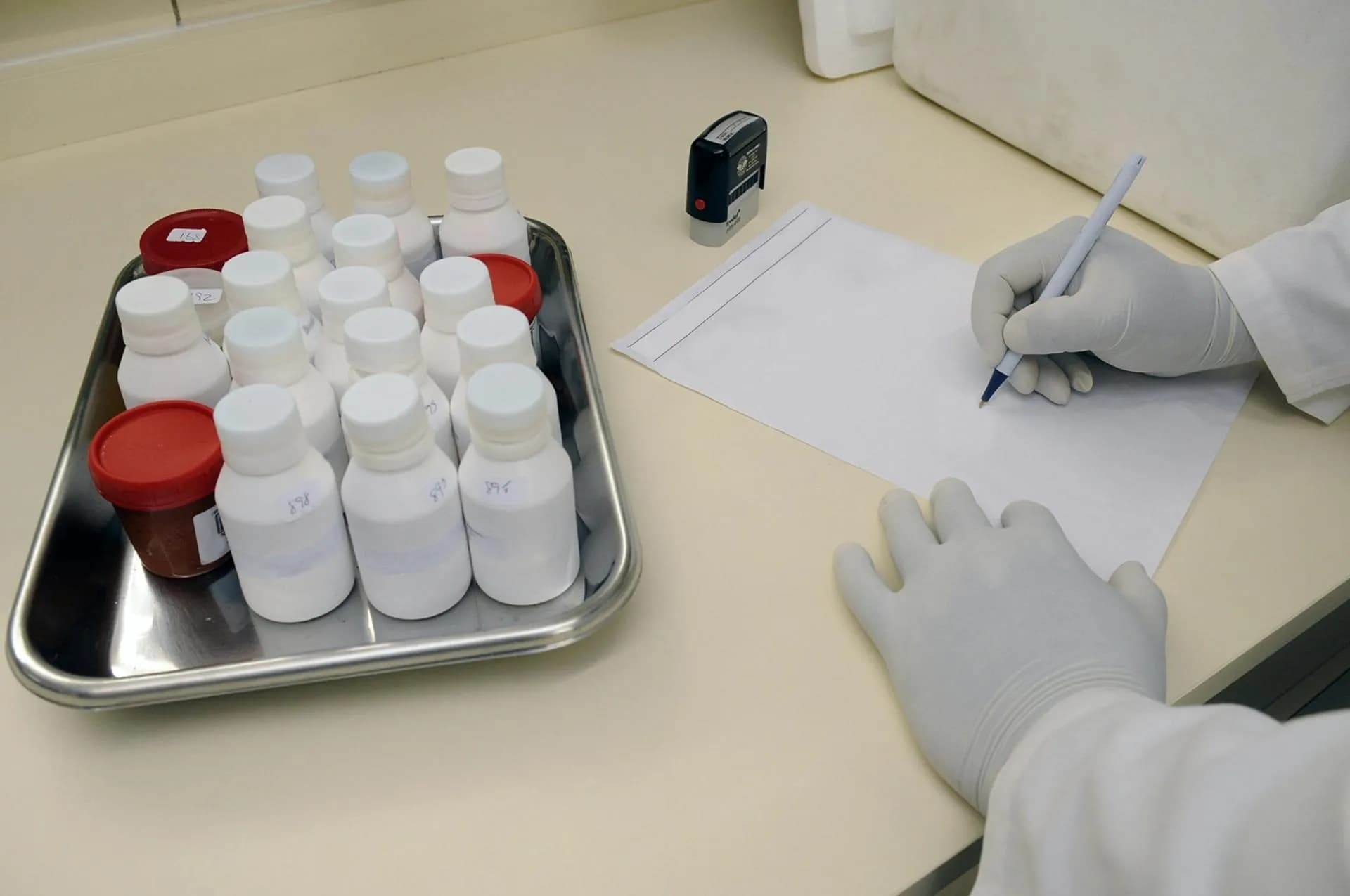
Practice for the John Monash Science School entrance exam: how the papers are built, where to sit a free diagnostic, and how to train the science components that generic Edutest packs skip. Format, application, and study-plan depth live on the JMSS exam guide. The school itself is on the JMSS school page.
Big Brain does not host an official Edutest PDF. Official registration and any sample information Edutest publishes lives on Edutest. Timed JMSS practice (Edutest-style questions, not a downloadable booklet) lives on the platform.
Sit a free diagnostic in the JMSS Edutest format, then drill the maths and science papers under real timing. Start practice at learn.bigbrain.au/join.
What JMSS practice tests cover
JMSS uses Edutest, not ACER. The paper is science-heavy in a way the Victorian Year 10 selective exam is not: there is no reading comprehension paper and no general writing paper. Two of the five tests sit outside science (Mathematics and Numerical Reasoning). The other three are science, which a generic Edutest pack does not train.
Year 10 entry (current Year 9 students) and Year 11 entry (current Year 10 students) are separate sittings. Both are five tests of 30 minutes. The tables below match Big Brain's JMSS Year 10 and JMSS Year 11 exam records. For topic lists and how each paper is marked, use the exam guide.
Year 10 sitting
| Paper | Questions | Time | What to drill |
|---|---|---|---|
| Mathematics | 60 | 30 min | Speed on year-level maths. 30 seconds a question. |
| Numerical Reasoning | 50 | 30 min | Patterns, sequences, and worded number problems. |
| Science Reasoning | 30 | 30 min | Graphs, tables, experiments. Not memorised facts. |
| Science Interest & Communication | 1 written | 30 min | Evidence-based argument from a science article, not a story. |
| Science Analysis & Reporting | 1 written | 30 min | Complete an experimental report from incomplete data. |
Year 11 sitting
Mathematics, Numerical Reasoning and Science Reasoning carry over from Year 10. The two Year 10 written science papers do not: Science Knowledge replaces Science Analysis & Reporting, and Science Writing Skills replaces Science Interest & Communication.
| Paper | Questions | Time | What to drill |
|---|---|---|---|
| Mathematics | 60 | 30 min | Speed on year-level maths. 30 seconds a question. |
| Numerical Reasoning | 50 | 30 min | Patterns, sequences, and worded number problems. |
| Science Reasoning | 30 | 30 min | Graphs, tables, experiments. Not memorised facts. |
| Science Knowledge | 30 | 30 min | Year-level biology, chemistry and physics content. |
| Science Writing Skills | 1 written | 30 min | Communicate a scientific idea clearly and logically. |
Free diagnostic, then timed drills
Start with a diagnostic, not a full mock. A 30 to 45 minute diagnostic on the free diagnostic page maps which papers are costing marks. JMSS tests five different skills in one sitting, and a student who practises their strongest paper first stays busy without improving.
After the diagnostic, practise each section on a timer. Mathematics is 60 questions in 30 minutes, so it works as a speed test that uses maths. Numerical Reasoning is the same pressure with patterns instead of curriculum. Science Reasoning is slower per question, but the examiners make the graphs and experiments unfamiliar on purpose. Written science needs its own clock: 30 minutes to read, plan, and write, with no leftover time for a second draft.
One start URL for the diagnostic and for every later drill. No PDF pack, no separate login for JMSS. Start practice at learn.bigbrain.au/join.
The science papers: what generic Edutest drills miss
A standard Edutest scholarship or Year 10 selective pack trains Verbal Reasoning, Reading Comprehension and Written Expression. JMSS does not set those papers, so weeks spent on them prepare a student for a different exam. The Edutest exam guide is still useful for Mathematics and Numerical Reasoning, which JMSS shares. Everything else on that page is for a different sitting.
Science Reasoning
Drill data, not textbooks. Graph reading, table analysis, flow charts, contour lines, scale, and "what can you conclude from this experiment" are the recurring types. A student who can name the parts of a cell but cannot read a results table needs more data practice. Mix biology, chemistry, physics, astronomy and geology scenarios so fewer exam-day questions come as a surprise.
Science Interest & Communication (Year 10)
Most "JMSS writing tips" refer to this Year 10 written paper. You get background articles, then questions that ask you to build an argument. Markers want a clear explanation and real engagement with STEM; a creative story misses the brief. The drill: read a short popular science piece, then re-explain it in plain language with evidence from the text. Time that drill to 30 minutes.
Science Analysis & Reporting (Year 10)
An incomplete experimental report, then questions that finish it. Practise identifying variables, writing a method that someone else could follow, and reporting a result without overclaiming. Five minutes of reading time inside the 30 is part of the paper. Students who skip it in practice find the write-up runs long.
Science Knowledge (Year 11)
Year 11 only. Closer to school science than Science Reasoning, still visual: diagrams, data, and year-level content rather than trivia. If you are sitting Year 11 entry, swap SAR drills for this paper rather than doing both.
Science Writing Skills (Year 11)
The Year 11 written paper, in place of Science Interest & Communication. Thirty minutes to explain a scientific idea clearly and logically. The same drill works: read a short science piece, then re-explain it in plain language, on a 30-minute clock.
How to run a practice week
- One timed maths or numerical-reasoning paper, then review every miss. Without an error log, students repeat the same mistakes at speed.
- Two short science-reasoning sets in the week, mixed disciplines, always with a graph or table.
- One written science piece matching your sitting: SIC or SAR for Year 10, Science Writing Skills for Year 11. Keep it evidence-based and short.
- A full five-paper mock only once the section times feel ordinary. Starting with full mocks burns stamina before the question types are familiar.
Month-by-month runway (12, 6, 3, 2, 1) stays on the exam guide. This page is the drills. Official dates and fees stay on JMSS admissions; we do not republish them here.
Where this sits next to the other JMSS pages
- This page: practice tests, free diagnostic, science-paper drills.
- JMSS exam guide: format, application, study plans for 2028 entry.
- JMSS school page: the school, campus, and entry process.
- Year 10 and Year 11 exam pages: the sitting you are applying for.
- The interview after a shortlist tests a different skill. Coaching is at JT Education's JMSS interview guide.
Ready to sit one? Start the free diagnostic, then keep practising the same JMSS papers on Big Brain. Start practice at learn.bigbrain.au/join.
Note: Exam formats can move year to year. This page follows past JMSS Edutest patterns and Big Brain's exam records. For the current sitting, use official JMSS and Edutest communications.
Found this useful? Share it with another parent.
 Delivered by JT Education